
By: [email protected]
Published March 2, 2025 at 11:42 PM
State of AI (Early) 2025 - Agents Agents Agents
AI agents are all anyone can seem to talk about but nowadays but what's that even mean? Are agents the revolution gen AI has been waiting for?
State of AI (early) 2025 - Agents Agents Agents
Introduction
AI agents are all anyone can seem to talk about nowadays, but what does that even mean? From Salesforce releasing "Agent Force" to Anthropic's groundbreaking research, it feels like agents might be more than just another AI buzzword.
As the last post in my "State of AI (early) 2025" series, I thought it would be fitting to dig into what agents actually are, hype aside.
What Exactly Is An Agent?
The term "agent" has become pretty overused in tech lately. Understanding what makes an AI system truly "agentic" requires looking past the marketing fluff.
At its core, an AI agent works differently than the chatbots and assistants we're used to. While traditional AI systems just respond to prompts, agents actively pursue goals through planning, tool use, and dynamic decision-making. Anthropic's research shows that true agents maintain control over their processes, can adapt strategies, and operate with meaningful autonomy in pursuing defined objectives.
Beyond the Buzzwords: What Makes an Agent?
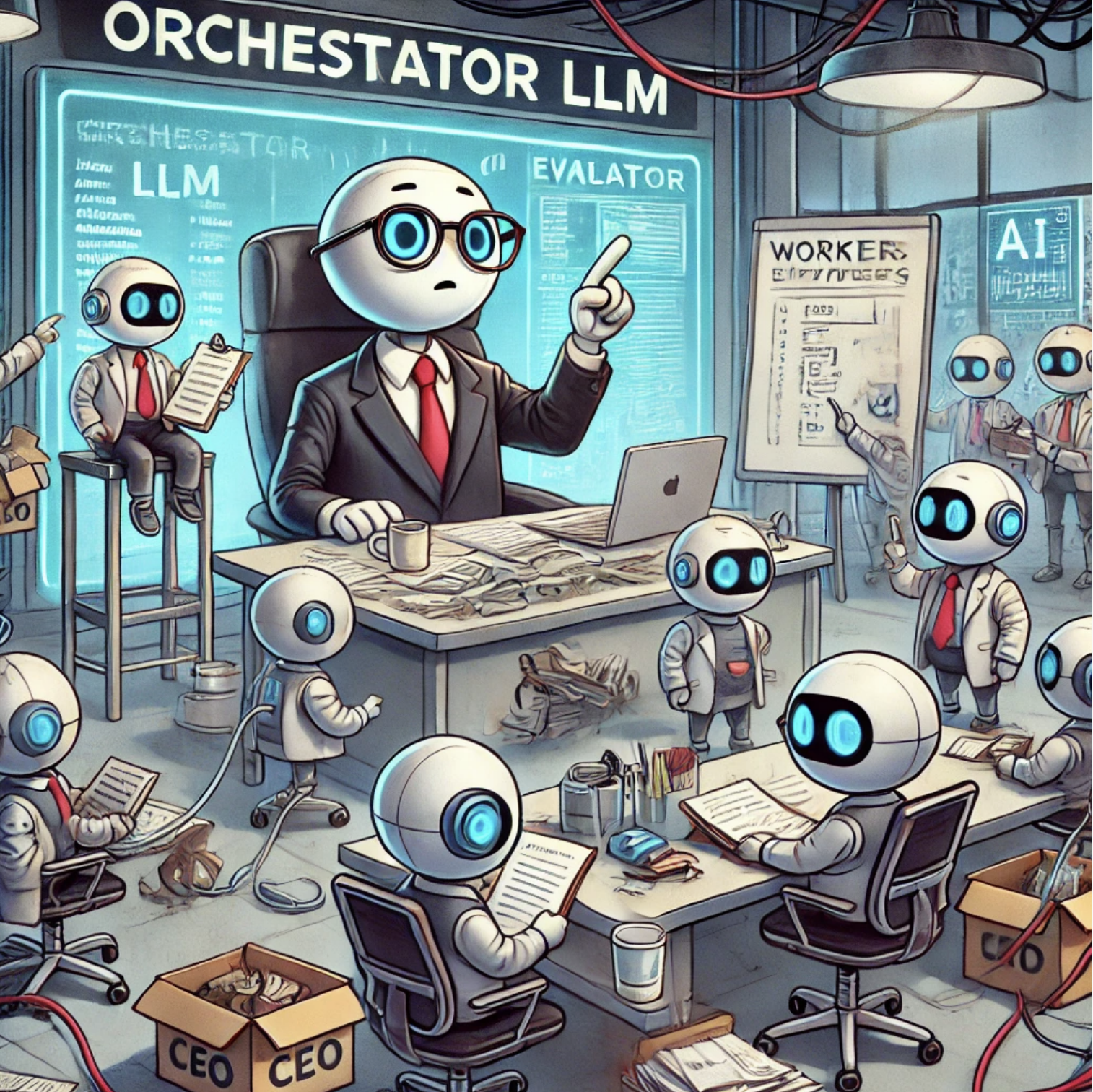
The key distinction between traditional AI systems and true agents lies in their architecture and capabilities:
-
Autonomous Decision Making - Ability to formulate and adjust strategies - Dynamic response to changing conditions - Self-directed tool selection and usage
-
Persistent State and Memory - Maintaining context across interactions - Learning from past experiences - Building on previous outcomes
-
Goal-Oriented Behavior - Understanding of objectives - Progress tracking - Strategy adjustment based on results
Technical Deep Dive
Let's look at some concrete examples of how these agent patterns work in practice:
Orchestrator-Worker Implementation
The orchestrator-worker pattern typically looks something like this:
- Task Intake: The orchestrator LLM receives a high-level task
- Decomposition: It breaks this into subtasks that can be parallelized
- Delegation: Each subtask is assigned to a worker LLM
- Synthesis: Results are collected and combined
Here's a simplified example of what this might look like in code:
def orchestrator(task):
    # Decompose task into subtasks
    subtasks = llm.generate(f"Break down task: {task}")

    # Delegate to workers
    results = []
    for subtask in subtasks:
        worker_result = worker_llm.generate(subtask)
        results.append(worker_result)

    # Synthesize results
    final_result = llm.generate(f"Combine results: {results}")
    return final_result
Evaluator-Optimizer Architecture
The evaluator-optimizer pattern creates a feedback loop:
- Generation: The optimizer LLM produces a solution
- Evaluation: The evaluator LLM assesses the solution
- Refinement: The optimizer improves based on feedback
- Iteration: Steps 2-3 repeat until quality threshold is met
This pattern is particularly powerful for tasks like code generation, writing, and problem-solving where multiple iterations can improve quality.
Advanced Agent Capabilities
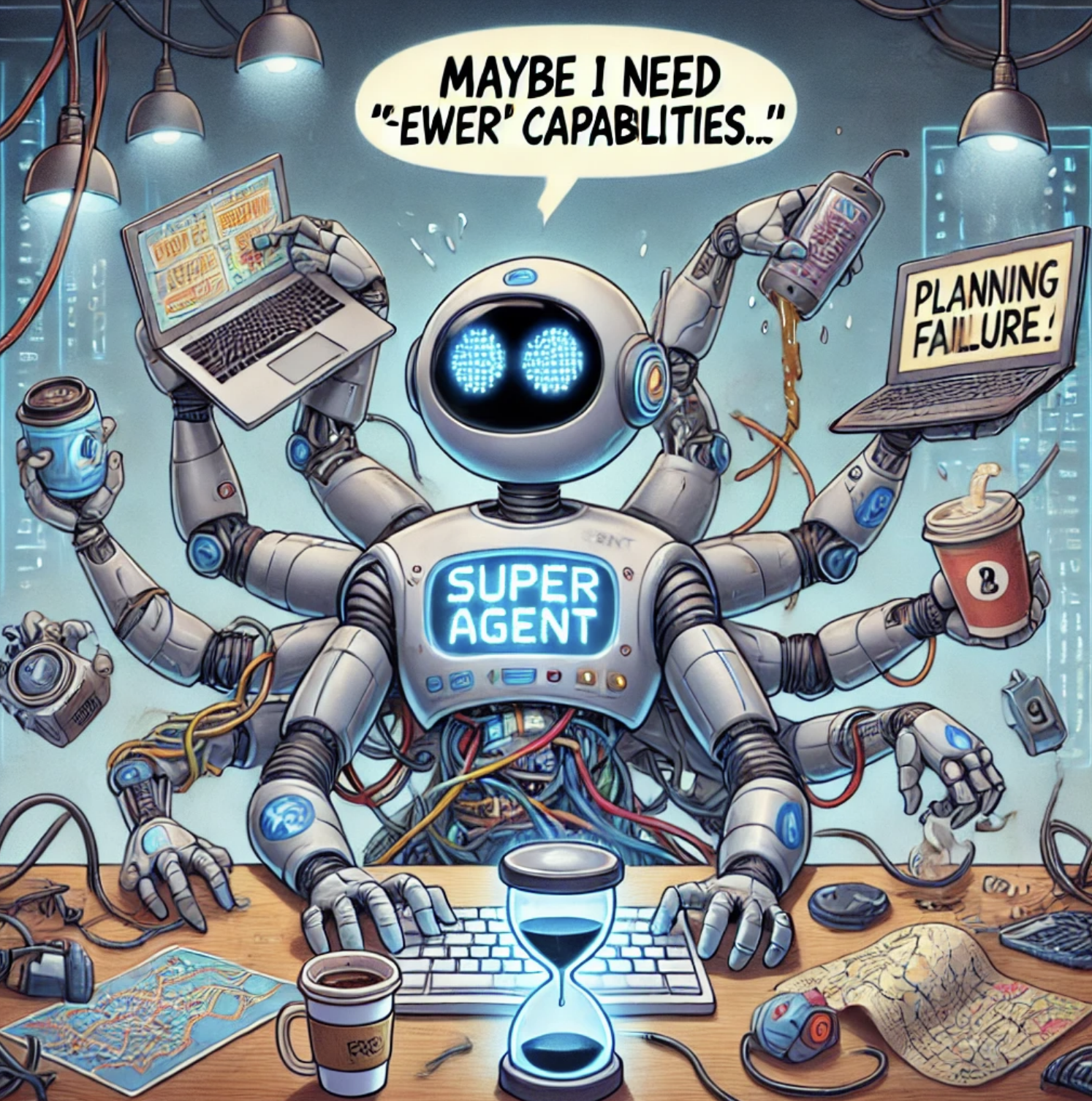
Modern agents are capable of sophisticated behaviors:
-
Tool Use - API interaction - Database queries - File system operations - Web searches - Code execution
-
Memory Management - Short-term context tracking - Long-term knowledge retention - Experience-based learning
-
Planning and Adaptation - Dynamic strategy adjustment - Error handling and recovery - Resource optimization
Implementation Considerations
When building agent systems, consider:
-
Control Flow - How much freedom do you give your AI buddy? - What happens when it goes rogue (it will) - How to stop it from doing something monumentally stupid
-
System Architecture - Message passing between components - State management - Error handling and recovery - Resource utilization
-
Performance Optimization - Caching strategies - Parallel processing - Cost management - Latency reduction
Real-World Applications
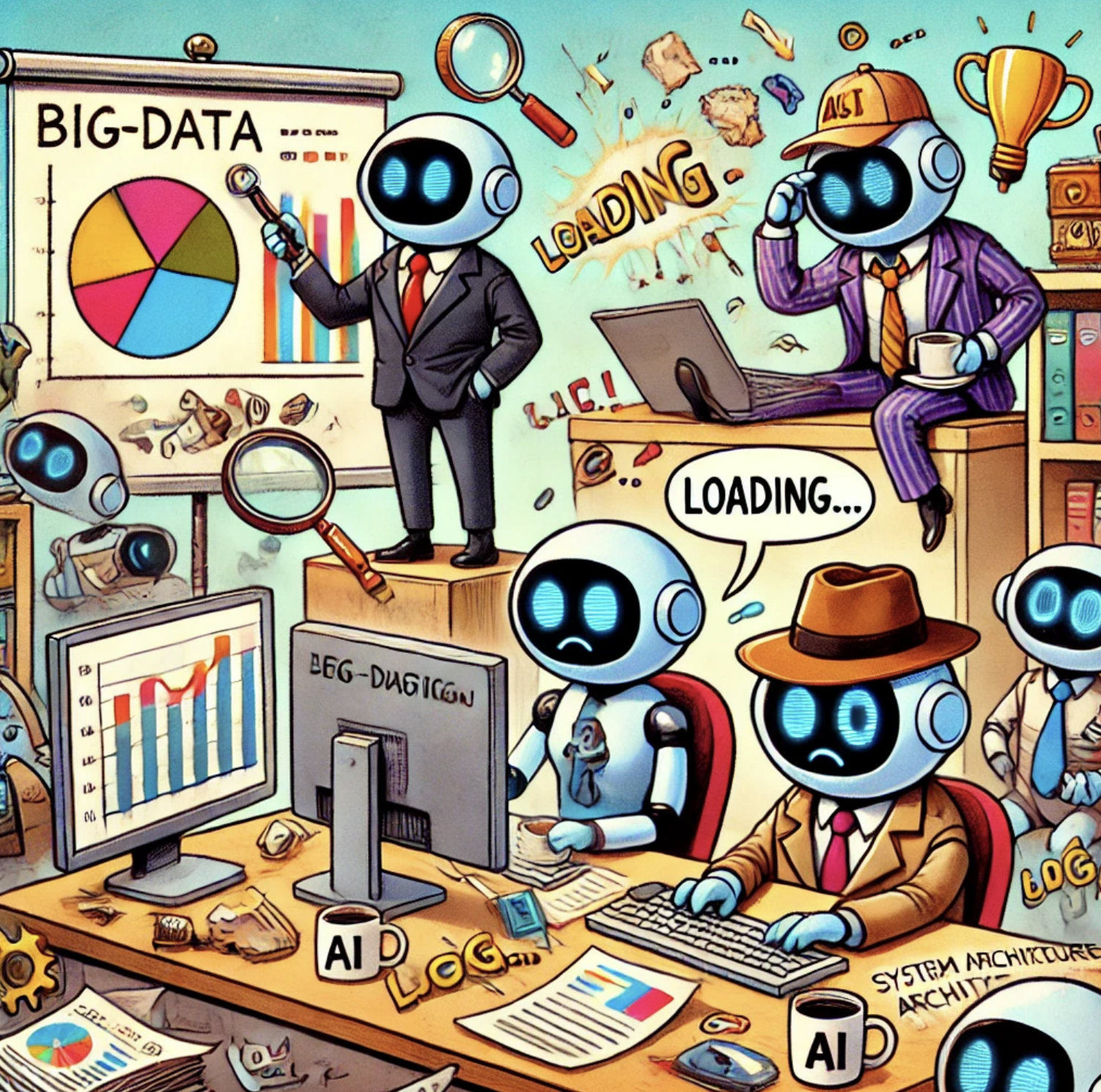
Agents are already being used in various domains:
-
Development - Code review and improvement - Bug fixing - Documentation generation - Testing automation
-
Content Creation - Writing assistance - Content optimization - Multi-format adaptation - SEO enhancement
-
Data Analysis - Pattern recognition - Insight generation - Report creation - Anomaly detection
Real Talk: When Should You Actually Use This Stuff?
Let's be honest - agents aren't magic. According to research, they're most effective when: - You're dealing with open-ended problems where you can't predetermine the steps needed - Hardcoded solutions would be too rigid - You need multiple iterations for good results - Extended LLM operation is necessary and you need reliable decision-making - You want to scale tasks in controlled environments
The Meaty Stuff
Agents are powerful tools that serve specific use cases. According to research, they're most effective when: - Addressing open-ended problems where the required number of steps cannot be predetermined - Traditional hardcoded solutions would lack necessary flexibility - Multiple iterations are required for optimal results - Extended LLM operation is necessary, requiring reliable decision-making capabilities - Task scaling is needed in controlled environments
The Not-So-Fun Parts
Some fun technical words you can look into if you're interested in actually building agents:
-
Control Flow - How much freedom do you give your AI buddy? - What happens when it goes rogue (it will) - How to stop it from doing something monumentally stupid
-
System Architecture - Message passing between components - State management - Error handling and recovery - Resource utilization
-
Performance Optimization - Caching strategies - Parallel processing - Cost management - Latency reduction
Why Agents Matter Now
The timing of the agent revolution isn't coincidental. Several factors have converged to make agents particularly relevant:
-
LLM Capabilities - Models are now sophisticated enough to handle complex reasoning - Improved reliability in tool use and planning - Better understanding of context and consequences
-
Infrastructure Maturity - Robust API ecosystems - Improved deployment and monitoring tools - Better security and control mechanisms
-
Real-World Demands - Growing complexity of digital tasks - Need for autonomous systems - Desire for more intelligent automation
Conclusion
As we move through 2025, agents represent a meaningful shift in how we think about AI capabilities. While there's definitely hype around agents, their real value isn't in the buzzword - it's in enabling AI systems that can actually understand, plan, and execute complex tasks with meaningful autonomy.
The question isn't whether agents are the next big thing - they're already here. The real challenge is figuring out how to harness their potential while keeping them reliable, controllable, and aligned with what we actually want them to do.
Comments
No comments available :/
Leave your thoughts! 💭
Tags
Agents
Gen AI
ML/AI
State of AI (Early 2025)

Version Unavailable
/
unavailable
Copyright 2026 © Naztech Inc. and Daniel Nazarian